







请翻译下面内容,重写翻译后的标题使其更吸睛,确保翻译完全,保留所有html代码和标签,不要包含思考和解释等内容,不要增加额外内容,直接给出纯文字结果:
Major iPhone updates like iOS 26 typically come with hundreds of new features and changes, but a much smaller subset that become daily go-tos. Here are four new iOS 26 features I’ve found myself using just about every day.
#1: Adaptive Toolbar in Notes
I love Apple Notes and use it in a wide variety of ways—as evidenced by my 2,600+ note library.
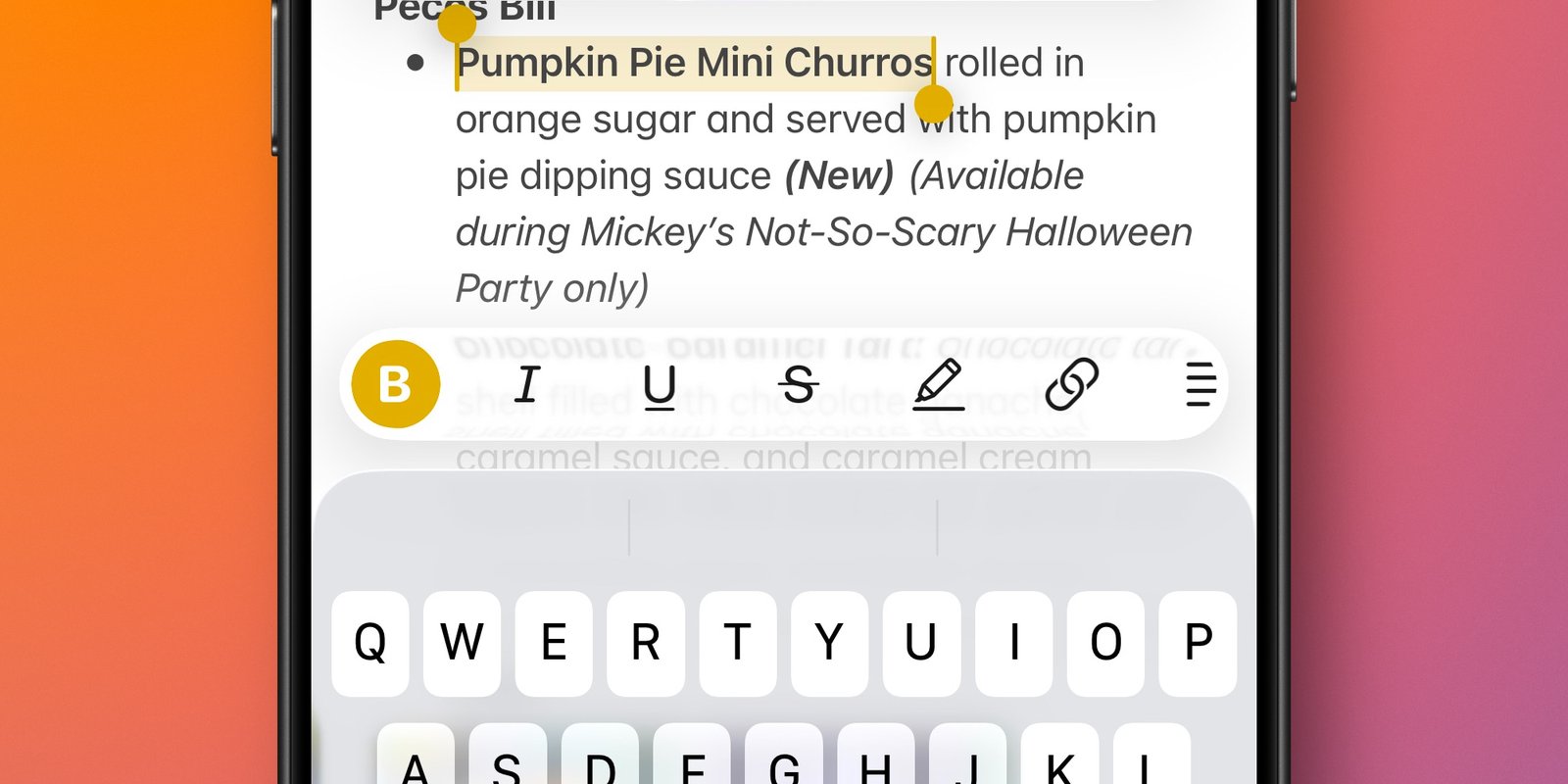
Among the new features for Notes in iOS 26, my favorite is the Adaptive Toolbar.
Notes has steadily added new features every year for a while now. But for many apps, constant additions can create an issue with feature bloat, or simply the inability to discover everything the app can do.
The Adaptive Toolbar does a great job of mitigating those problems.
When writing or editing text in a note, the toolbar just above the keyboard now automatically changes to show you the most relevant tools at any given time. For example:
- When editing standard text, you’ll see bold, italics, underline, and highlight tools
- If you have multiple text lines selected, you’ll see list options, indent, outdent, block quote tools, and more
You can still get to the full tool list with a swipe, but you shouldn’t have to switch too often.
#2: Preview app
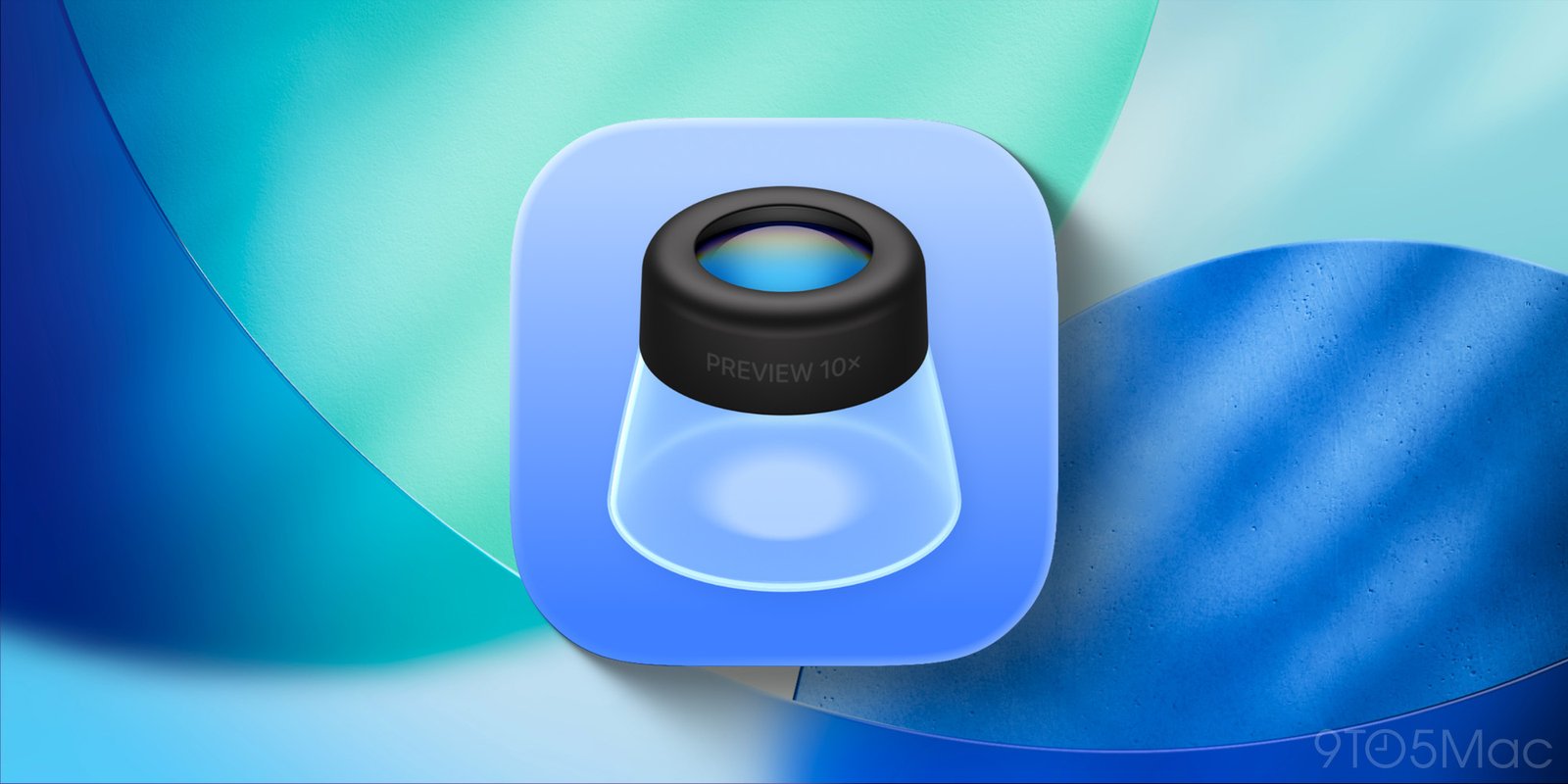
Preview has existed on the Mac for years, but in my view it never seemed necessary in iOS. When I needed to access a PDF or image on my iPhone, using Quick Look inside the Files app was totally fine.
But now that Preview for iOS has arrived, I’ve been surprisingly glad to have it.
Lots of Preview’s functionality is simply an export of previous Files features. However, there are some new additions, and I’ve especially enjoyed being able to view a document in Preview while navigating my file system in the separate Files app. Especially when juggling several PDFs at once, Preview and Files make a great combo.
Have you ever viewed a lengthy PDF then needed to cross-reference something in a separate document? On a Mac, that’s no problem as you can open different PDFs in separate windows, and have Finder as a separate window too. Now in iOS 26, using Preview and Files in tandem makes the iPhone experience closer to what you can get on a Mac.
#3: Sleep Score in Health
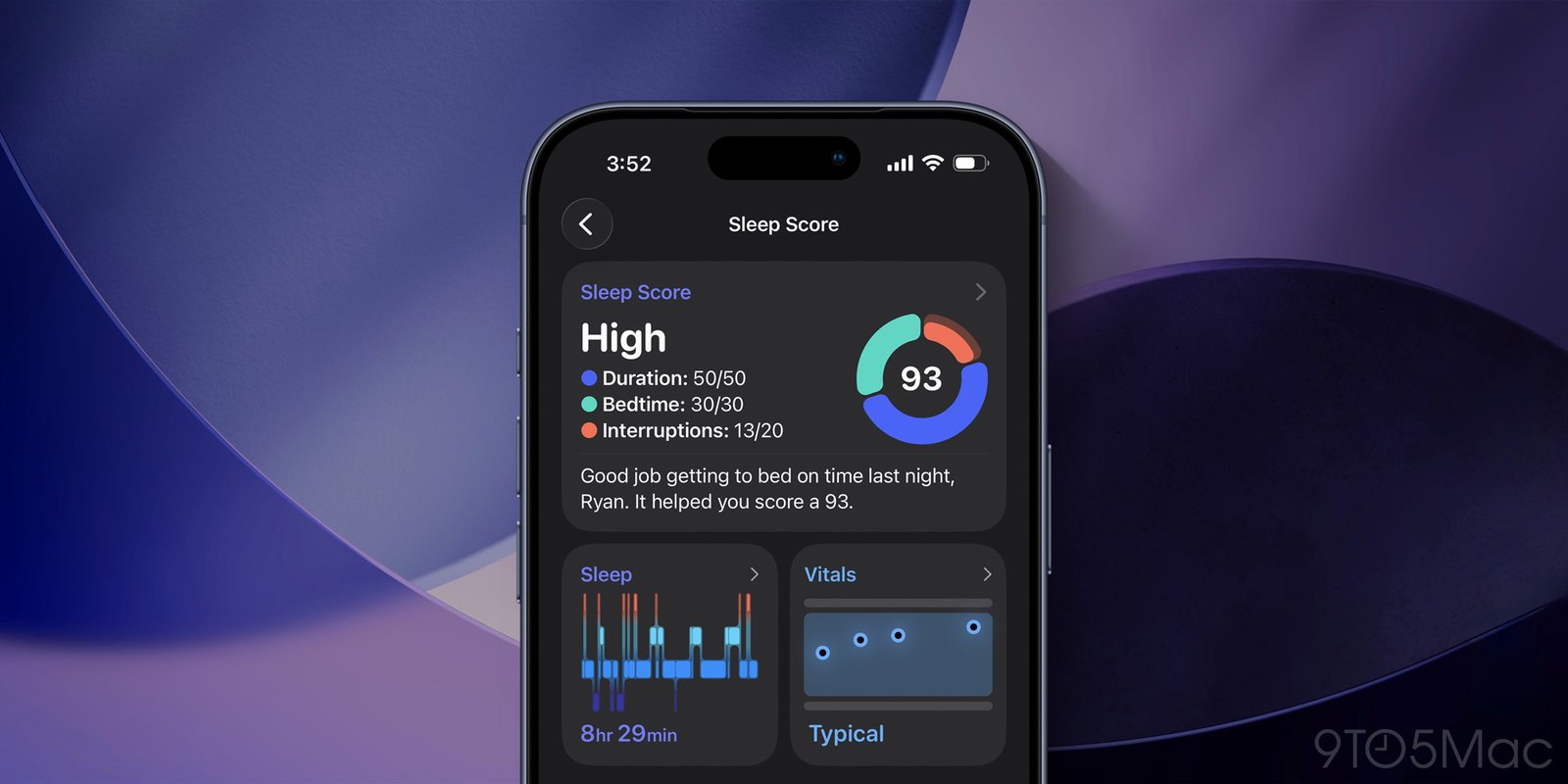
Sleep tracking isn’t a new feature in iOS 26, but the Health app’s Sleep Score is.
Sleep Score takes all your existing sleep data and turns it into something that, in my view at least, is far more useful.
I’ve never been a fan of the way sleep data has been visualized in the Health app. But having a daily Sleep Score is a great way to, at a glance, understand how well I slept the night before.
The three metrics of Duration, Bedtime, and Interruptions also make a lot of sense to me. And when my score is especially low or high on a given day, it’s easy to see which factors contributed.
Similar to how Apple Watch’s Activity rings made it simple to track key movement metrics, Sleep Score has similarly motivated me to keep a close eye on my sleep data every day.
#4: AI Search in Maps
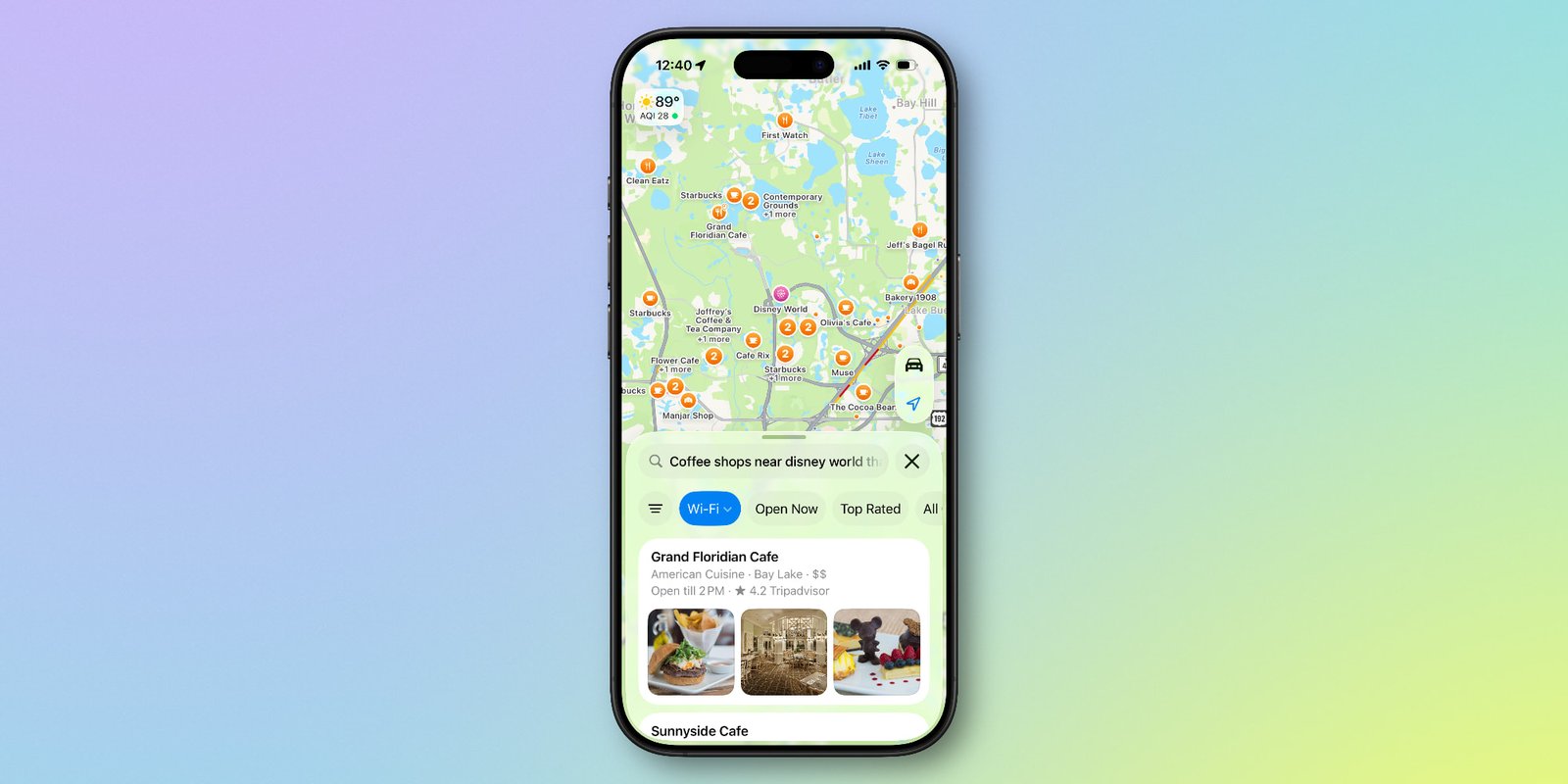
One of the most important features in Apple Maps is search. And in iOS 26, it got a big upgrade.
Search is now powered by Apple Intelligence on AI-compatible iPhones. This means results are more relevant, intelligent, and you can also use natural language.
AI has slowly been improving search in a variety of Apple apps, starting with Photos last fall in iOS 18.1. And Maps has the potential to be one of the most impactful.
I use Maps every day, frequently performing both simple and complex searches. And in my experience, it’s been significantly improved by Apple Intelligence.
It’s now easier to find places that I already know exist, especially when there are multiple locations available. But Maps’ search is also now better for discovery, with AI able to understand queries that include several parameters.
Search may not be a flashy AI feature, but it sure is useful.