




请翻译下面内容,重写翻译后的标题使其更吸睛,确保翻译完全,保留所有html代码和标签,不要包含思考和解释等内容,不要增加额外内容,直接给出纯文字结果:
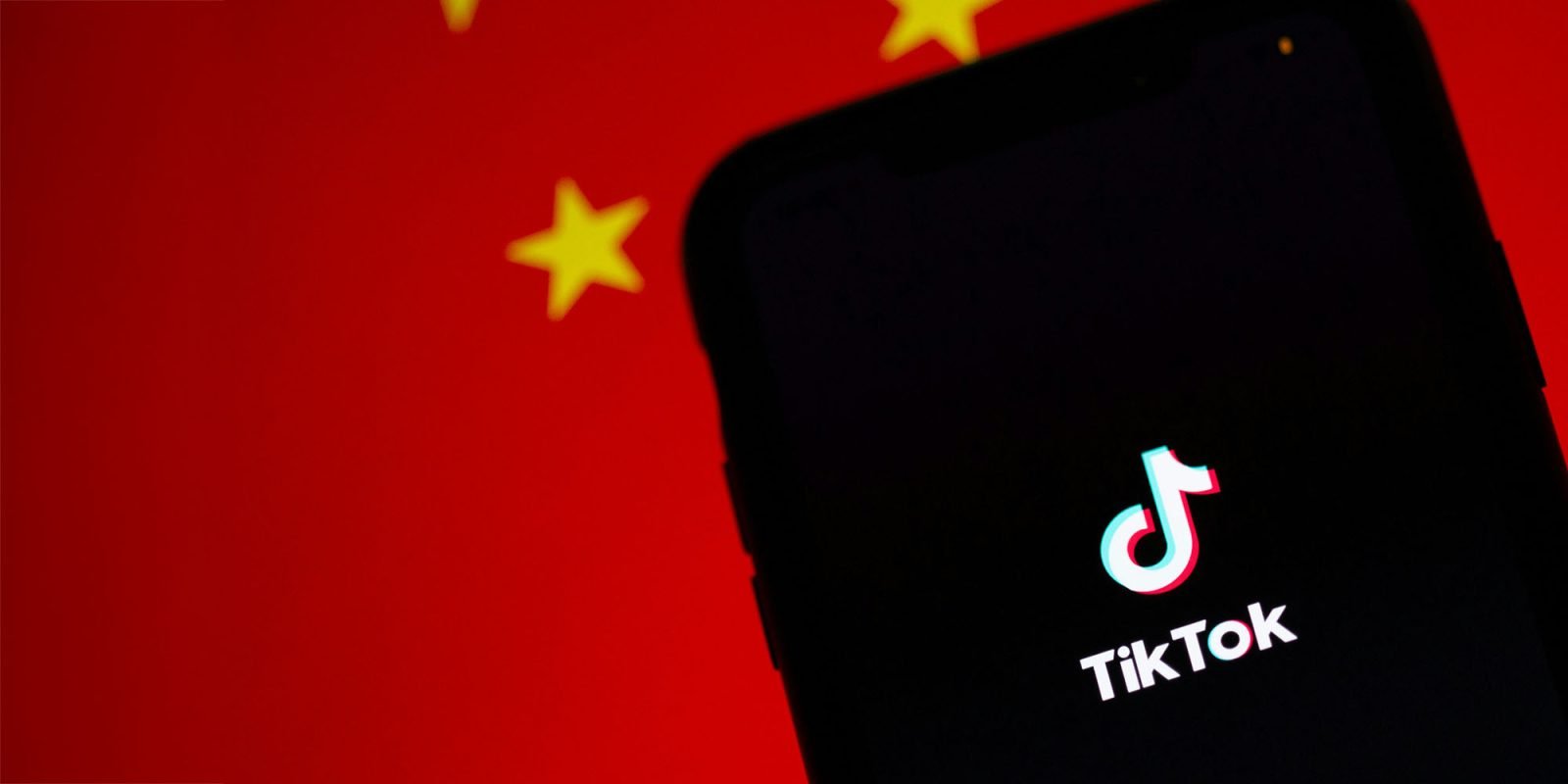
According to Wired, Apple is blocking US users from downloading or updating several ByteDance-owned apps, even when they have a valid Chinese App Store account. Here are the details.
Timing coincides with TikTok’s US divestiture
Despite being widely known for TikTok (and its Chinese version, Douyin), ByteDance develops and distributes multiple apps on the App Store. That includes Capcut, Lemon8, Lark, and Hypic.
Until recently, users in the US could download these apps as they would any other app in the App Store. However, according to Wired, Apple has been blocking downloads of ByteDance-owned apps, even when users have a valid Chinese App Store account.
Based on conversations with dozens of users who have reported this issue, Wired says that when attempting to download the app, users see a message saying, “This app is unavailable in the country or region you’re in.”
The timing of this change coincides with when the TikTok USDS Joint Venture took over and spun out the US version of TikTok, suggesting the move may be related to the overall agreement that compelled ByteDance to divest and hand over the US app.
Wired asked Apple and ByteDance about the issue, but both companies declined to comment, as did TikTok USDS Joint Venture
However, Wired found the archived support page where Apple stated that starting January 19, 2025 (roughly when last year’s TikTok ban briefly went into effect), a list of 11 ByteDance-owned apps would “no longer [be] available in the United States, and visitors to the United States might have limited access to features.”
The support document, which is currently unavailable, explained that US citizens who already had the apps installed on their devices would be able to use them normally, but wouldn’t be able to re-download them if they were deleted.
As for users visiting the US, Apple explained that ByteDance’s apps remained available for download “in all other countries and regions where they are available,” adding that “after leaving the United States, [they would] have access to all functionality.
To read Wired’s full report, follow this link.